Syngonium vs Philodendron Brasil
Syngonium's arrow leaves change shape as it matures and it wants a touch more water; Brasil keeps its heart shape and trails from day one. Both toxic.
Philodendron Brasil wants low watering (2/5) - water when the top 3-5 cm of soil has dried out. Syngonium needs moderate watering (3/5): water when the top 2-3 cm is dry, roughly weekly. Syngonium is a foliage plant and Philodendron Brasil is a trailing plant, so they fill different jobs in a room even when their care overlaps.
What they share: both are toxic to cats and dogs, both are rated easy, both want medium indirect light, both are happy in the same humidity and both stay medium.
Choose
Syngonium if…
- ✓you like a plant that asks for attention on a schedule
- ✓the look is what you are after: Syngonium features elegant arrow-shaped leaves that mature into lobed forms. A versatile vining plant that thrives in various conditions.
Choose
Philodendron Brasil if…
- ✓you forget to water - it prefers to dry out between drinks
- ✓the look is what you are after: Vibrant lime and green variegated heart-shaped leaves on trailing vines.
Syngonium vs Philodendron Brasil: side by side
| Attribute |
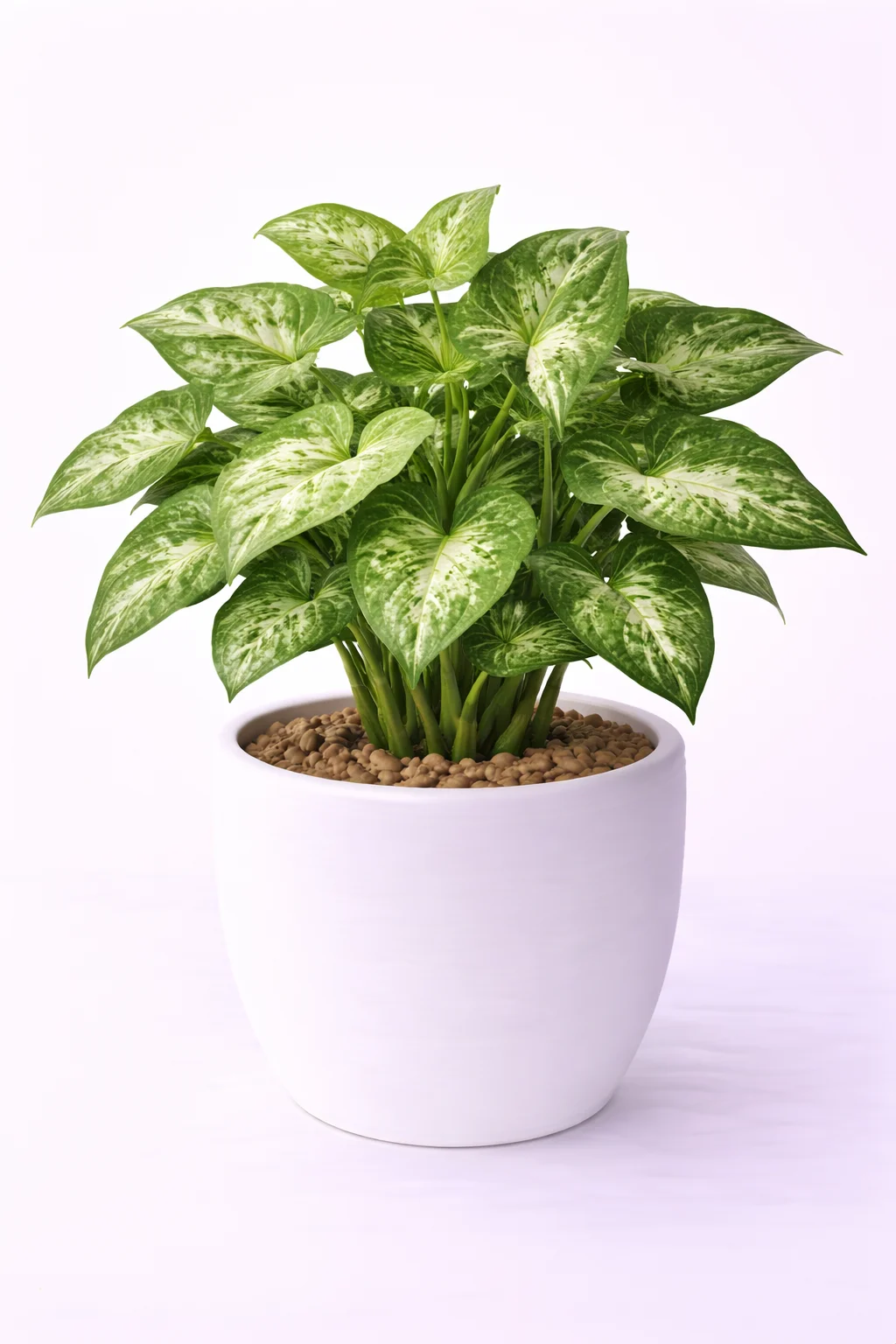 Syngonium
|
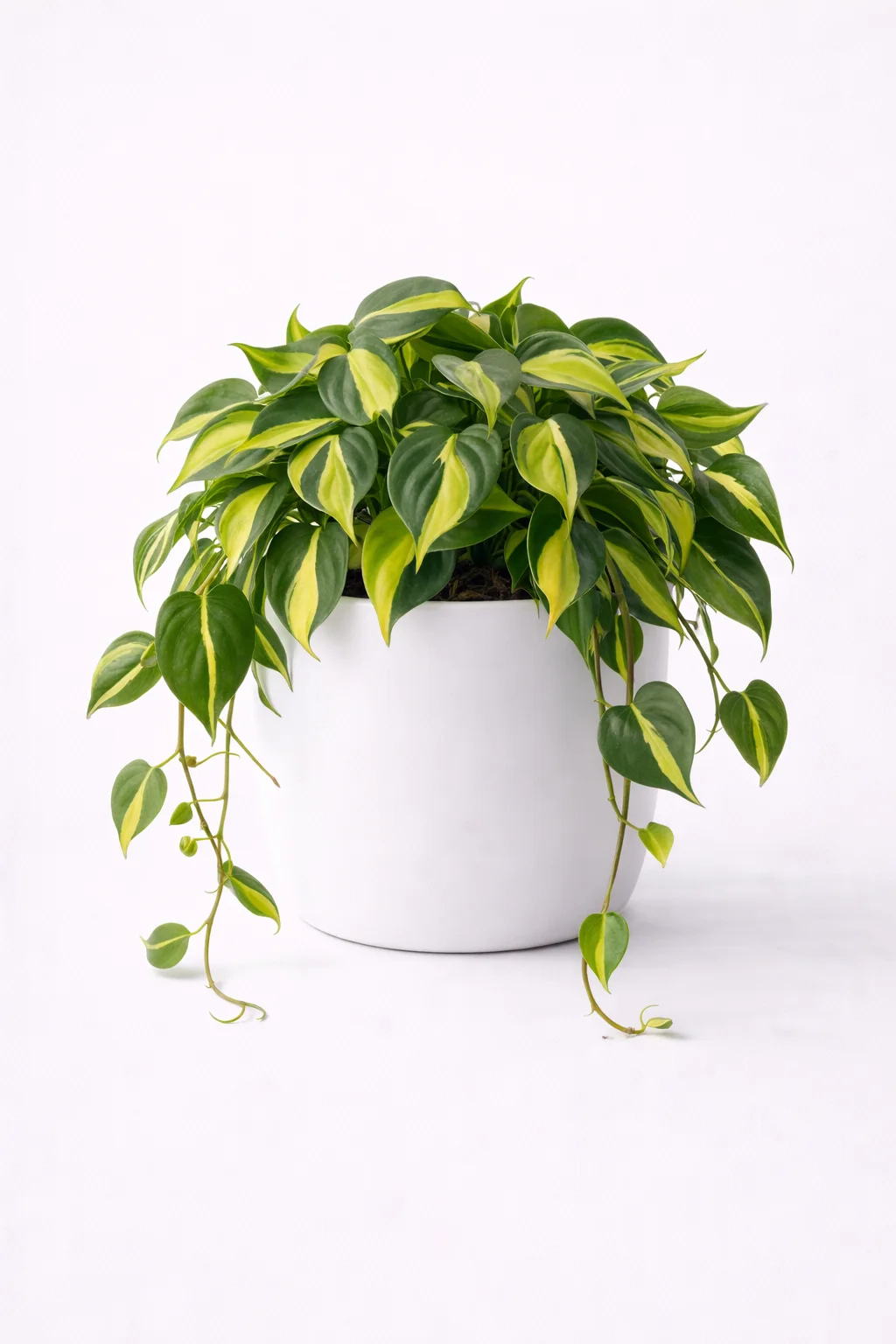 Philodendron Brasil
|
|---|---|---|
| Plant type | Foliage | Trailing |
| Difficulty | easy | easy |
| Light | ●●●○○ 3/5 Medium indirect light |
●●●○○ 3/5 Medium indirect light |
| Water | ●●●○○ 3/5 Moderate |
●●○○○ 2/5 Low |
| Humidity | ●●●○○ 3/5 Average |
●●●○○ 3/5 Average |
| Pet safe | Toxic to cats and dogs | Toxic to cats and dogs |
| Mature size | Medium 30-90 cm (1-3 ft) |
Medium 30-90 cm (1-3 ft) |
| Growth rate | Fast | Fast |
| Air purifying | Yes | Yes |
| Native to | Central and South America | South America |
Key differences between Syngonium and Philodendron Brasil
Syngonium drinks more
Philodendron Brasil wants low watering (2/5) - water when the top 3-5 cm of soil has dried out. Syngonium needs moderate watering (3/5): water when the top 2-3 cm is dry, roughly weekly.
Different plant types: foliage vs trailing
Syngonium is a foliage plant and Philodendron Brasil is a trailing plant, so they fill different jobs in a room even when their care overlaps.
They come from different habitats
Syngonium originates in Central and South America; Philodendron Brasil in South America. Matching the original habitat is the quickest way to guess what each one wants indoors.
How to tell Syngonium and Philodendron Brasil apart
Syngonium leaves are arrow-shaped and change form as the plant matures, from compact rosette to climbing vine. Philodendron Brasil keeps its heart shape and trails from the start. Syngonium comes in pink and white forms that need brighter light to hold colour.
Care at a glance
Syngonium
Arrowhead Plant, Arrowhead Vine, Goosefoot Plant
Syngonium features elegant arrow-shaped leaves that mature into lobed forms. A versatile vining plant that thrives in various conditions.
Care in one line: Medium to bright indirect light, keep soil lightly moist, appreciates humidity.
Full Syngonium care guide →
Philodendron Brasil
Brazil Philodendron, Variegated Heartleaf
Vibrant lime and green variegated heart-shaped leaves on trailing vines.
Care in one line: Medium indirect light for variegation, water when top soil dry.
Full Philodendron Brasil care guide →Syngonium vs Philodendron Brasil: common questions
What is the difference between Syngonium and Philodendron Brasil? +
Syngonium leaves are arrow-shaped and change form as the plant matures, from compact rosette to climbing vine. Philodendron Brasil keeps its heart shape and trails from the start. Syngonium comes in pink and white forms that need brighter light to hold colour. On care, philodendron Brasil wants low watering (2/5) - water when the top 3-5 cm of soil has dried out. Syngonium needs moderate watering (3/5): water when the top 2-3 cm is dry, roughly weekly.
Which is easier to care for, Syngonium or Philodendron Brasil? +
Neither - both are rated easy. The practical difference is syngonium drinks more.
Is Syngonium or Philodendron Brasil safe for cats and dogs? +
Neither. Syngonium is toxic to cats and dogs and Philodendron Brasil is toxic to cats and dogs. Both need a spot pets cannot reach.
Which needs less light, Syngonium or Philodendron Brasil? +
They are the same. Both score 3/5 for light, meaning near a bright window, out of direct sun.
Which needs more water, Syngonium or Philodendron Brasil? +
Syngonium, at 3/5 - water when the top 2-3 cm is dry, roughly weekly. Philodendron Brasil scores 2/5: water when the top 3-5 cm of soil has dried out.
Comparing something else?
Put any two or three of our 116 houseplants head to head on light, water, humidity, size and pet safety.
Build your own comparison →